Transforming urine into fertiliser
How it works
Circular sanitation. Sustainable events
We integrate seamlessly with your toilet infrastructure, creating a safe, sustainable fertiliser from waste.
Together, we can transform waste into a resource
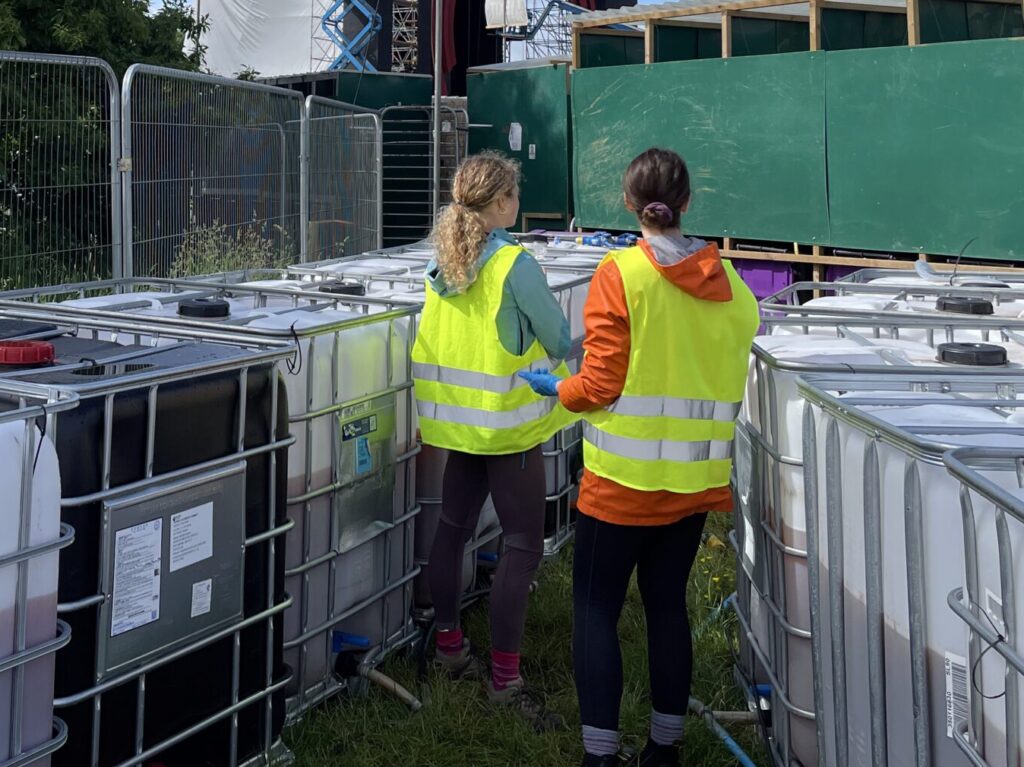
We offer urine collection as well as onsite processing. Our team can work with festivals, sporting events, and high-footfall or temporary sites. We can connect with your existing sanitation set-up to divert urine for recovery.
- Visible, science-based solution to waste
- Lower the carbon footprint of waste disposal
- Produce a sustainable fertiliser instead of generating waste
- Support sustainability goals and the circular economy
- Landowners can receive a sustainable fertiliser made directly from on-site resources
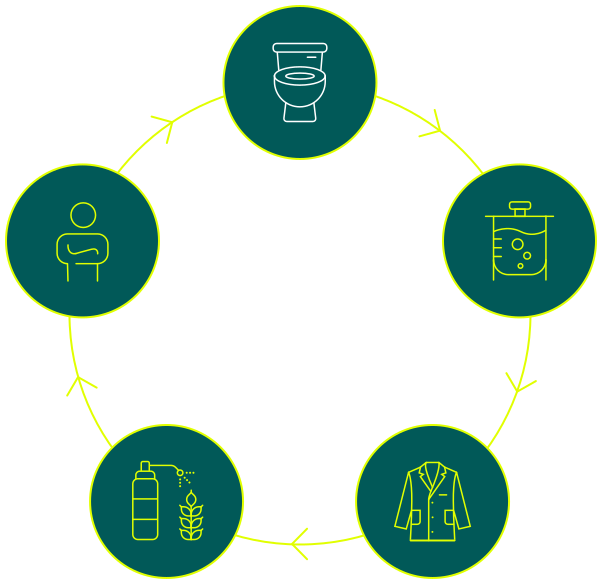
Step-by-Step: Urine to Fertiliser
01
Collection
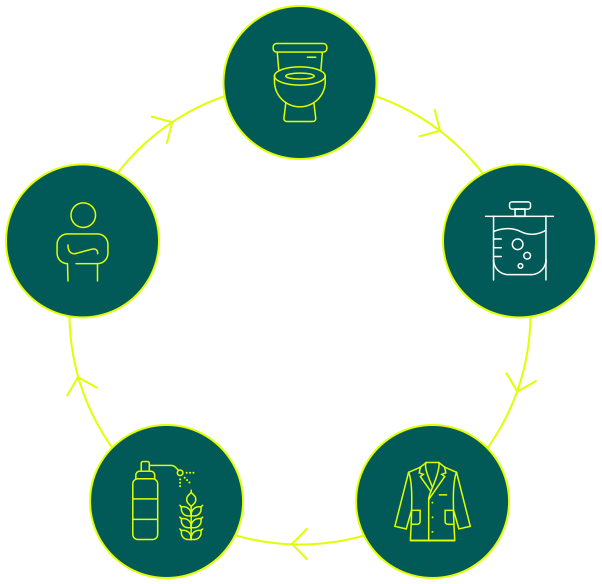
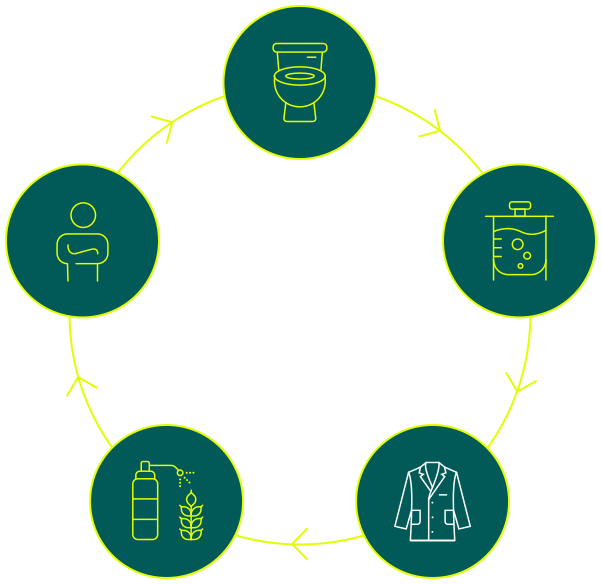
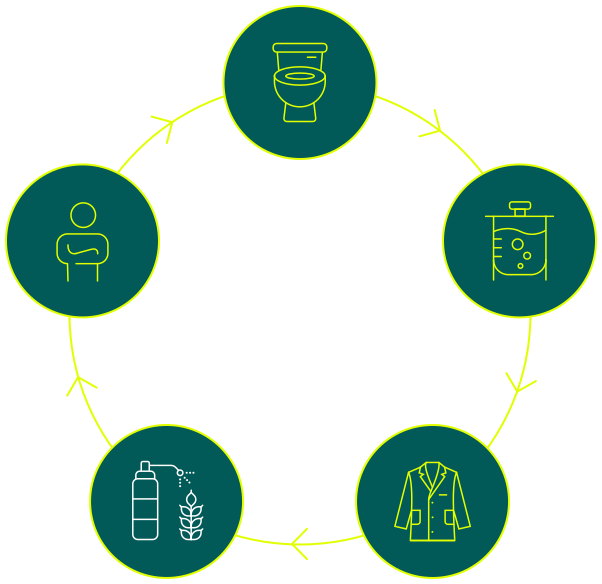
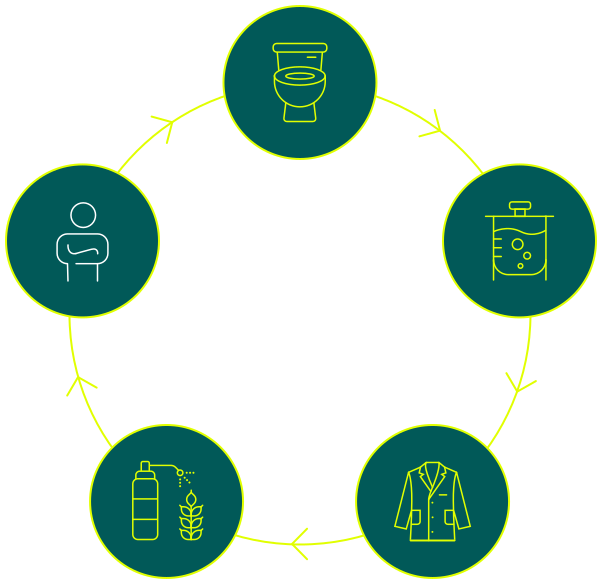
We collect from existing toilets, avoiding waste entering the sewage system.
02
Nutrient recovery
Natural bacteria drive our process; converting nutrients in urine into a plant-accessible form
03
Safety
We filter, heat treat and concentrate our product, removing excess water and harmful pathogens. We test each batch to confirm it meets safety standards
04
Liquid Fertiliser
Waste is transformed into a concentrated, liquid fertiliser - suitable for a range of uses.
05
Impact
Attendees waste stays out of sewage, creating a circular system where nutrients in urine become a resource, not a pollutant
Who is this for?
Turning Impact Into Opportunity
Whether you're an event organiser, a toilet supplier, or a farmer, our system creates value from something usually discarded. Explore how NPK Recovery can support your goals—reducing waste, cutting costs, and contributing to a more circular, regenerative future.
News and updates
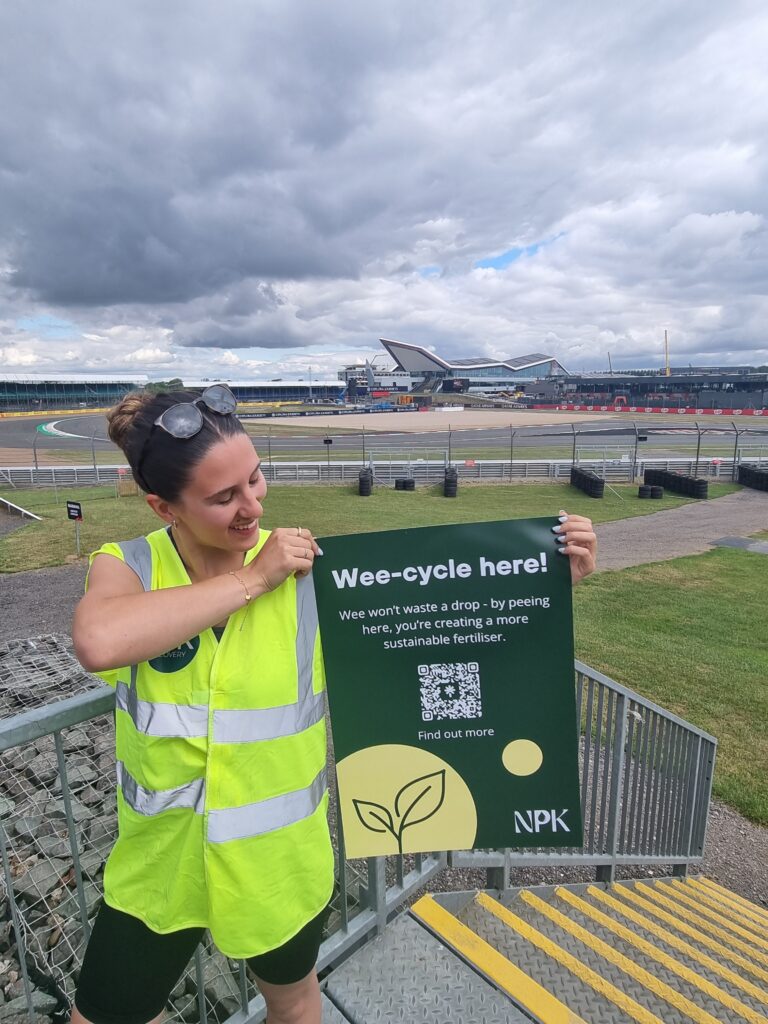
Grand ‘pee’ – British Grand Prix spectators’ urine recycled into fertiliser
At this weekend’s Formula 1 Pirelli British Grand Prix, NPK Recovery will transform attendees’ urine…
Urine-Based Fertiliser Matches Synthetic in Crop Trials
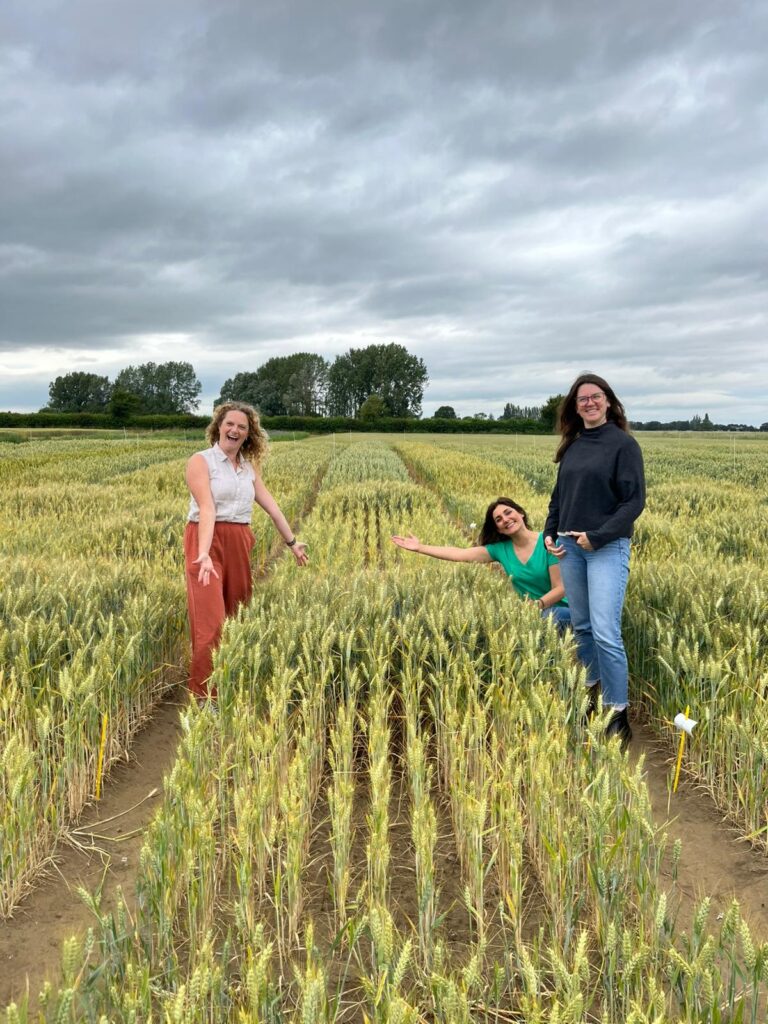
NPK’s bio-fertiliser performs as well as synthetic alternatives, early research confirms Bio-fertiliser made from human urine…
‘Wee-cycling’ at greener festivals
This Summer, NPK Recovery has supported sustainability at three amazing festivals across the UK, collecting…